
Why You Feel Stiff All the Time (And What Actually Fixes It)

A common issue new members come to me with is this:
“I just feel tight all the time.”
I’m going to be direct, because anything else would be a disservice...
Unfortunately, the things we do day to day can create issues in our bodies, whether we are sedentary or doing more physically demanding work.
Sitting 10 hours a day at a computer - pains in your hips, back, neck and shoulders.
Laying bricks 10 hours a day on site - pains in your hips,back, neck and shoulders.
The point being, often people in busy desk jobs think that the pain and tightness they feel is normal, and something they just have to live with. Unfortunately, those in more physical jobs, building, logistics haulage, tradespeople, delivery drivers, also face similar problems in their bodies, and again, feel like they just have to live with it.
The real answer is that you’re not ‘just tight’.
Many of these issues improve or even resolve completely when you build strength carefully and progressively. If you are constantly feeling pain, soreness or stiffness somewhere, you usually need to build strength in those muscles and the surrounding ones to better support your body.
Using the same example as above:
Sitting 10 hours a day reduces how well you move, because your muscles and joints stay in the same positions for hours on end. This lack of movement reduces circulation and leaves your body feeling stiff and sluggish. You’ve basically created a stress position for yourself, without even realising it.
Laying bricks 10 hours a day means that you are moving a lot - but often in the same patterns, using the same muscles, with very little variation and not much work for the opposing or supporting muscles. This means that (like the sedentary sitter), your body suffers from reduced movement quality, but in different areas.
In both cases, you feel discomfort and start avoiding your weaker positions, either because they feel painful or because you no longer move into them comfortably.
I’m not a fan of fitness cliches, most of them are rubbish, but one that I will stand by forever is if you ‘don’t use it you lose it’, and that’s applied very specifically to this example. If you don’t regularly use your body’s range of motion, you will gradually lose access to those positions.
Overall, modern life gives us very little variation in how we move. We repeat the same patterns daily, and stretching alone doesn’t solve that.
Stretching can absolutely provide short-term relief, but without an underlying strength programme, the longer term problem will remain. Think of an old nagging issue you’ve had, and how long you may have spent trying to manage it without ever really fixing the root cause.

So, what ACTUALLY works?
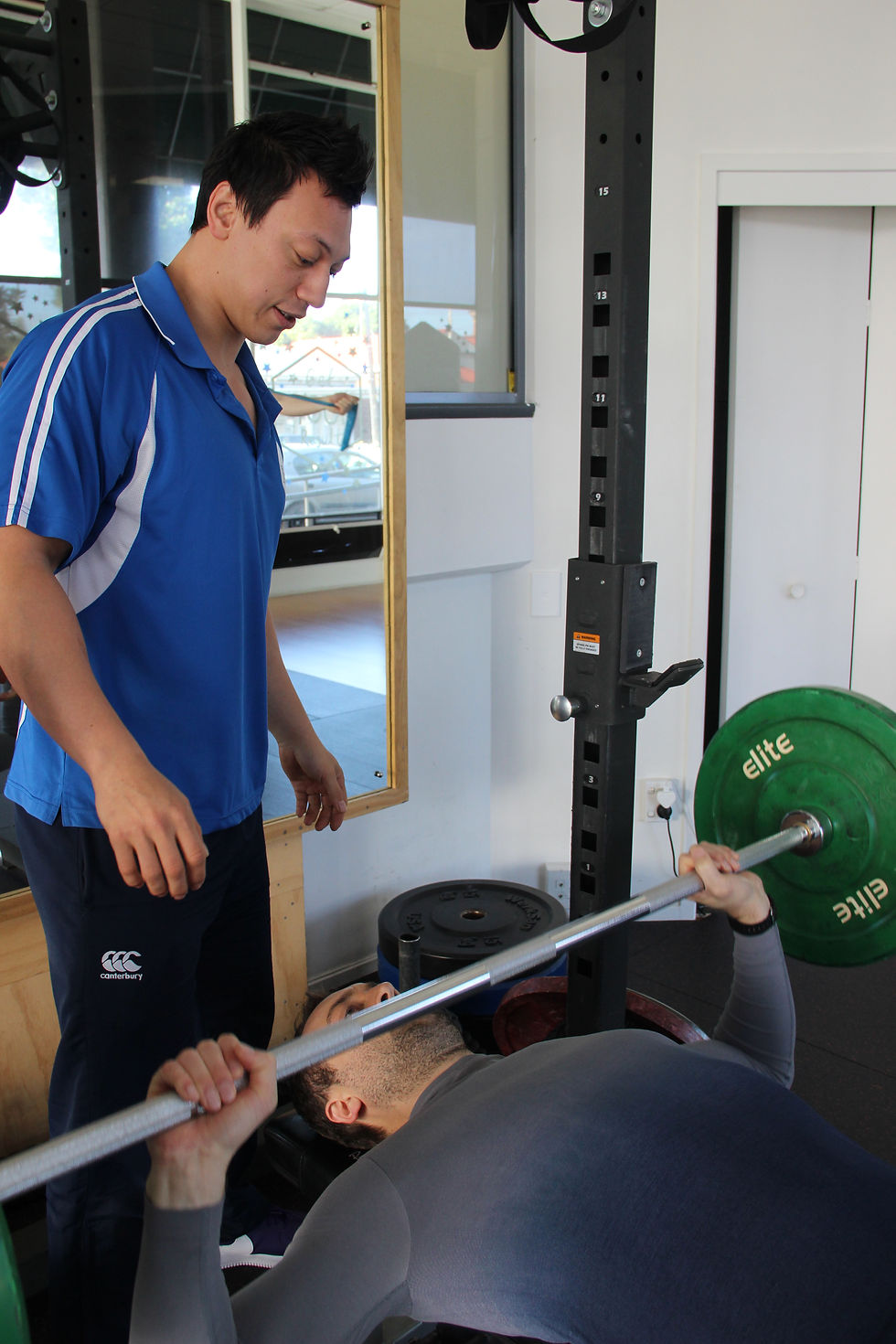
Strength Training - done properly
Working through effective ranges of motion
Weighted exercises with safe, progressive loading
Structured programming designed to help you improve safely
= Stronger muscles, which support your joints and means stronger bones.
Regular movement, outside of training
Walking
Breaking up sitting
Some kind of cardio exercise like cycling, walking, or any other sport
What does this look like in practice?
Short, effective strength training sessions, ideally twice a week.
Other forms of movement once or twice a week.
Daily movement through different ranges, whether that is a short 5–10 minute mobility session or some simple work for your glutes, knees or shoulders.
The important takeaway here is that - stretching alone won’t ‘fix’ you, because body stiffness is not just ‘tight muscles’. It’s a lack of movement, lack of strength, and lack of variation that you are building into with the habits and lifestyle you already have. Movement is incredibly important, but strength training is the foundation that underpins all of that. Our goal with personal training at The Active Lifestyle is to give you exactly what you need to help you improve. Every single one of our members programmes is different for that exact reason.


Comments