
Sleep is a part of training

Yes, you know all the sleep hacks. You’ve read all the ‘cutting-edge’ sleep info. You know to put your phone down at night, to have a dark room, and to go to bed at similar times.
What you need to understand is that good sleep, like good training, involves problem solving. It doesn’t have to be complicated. But, (again, like training) you can’t simply throw all the best practices at the wall and see what sticks.
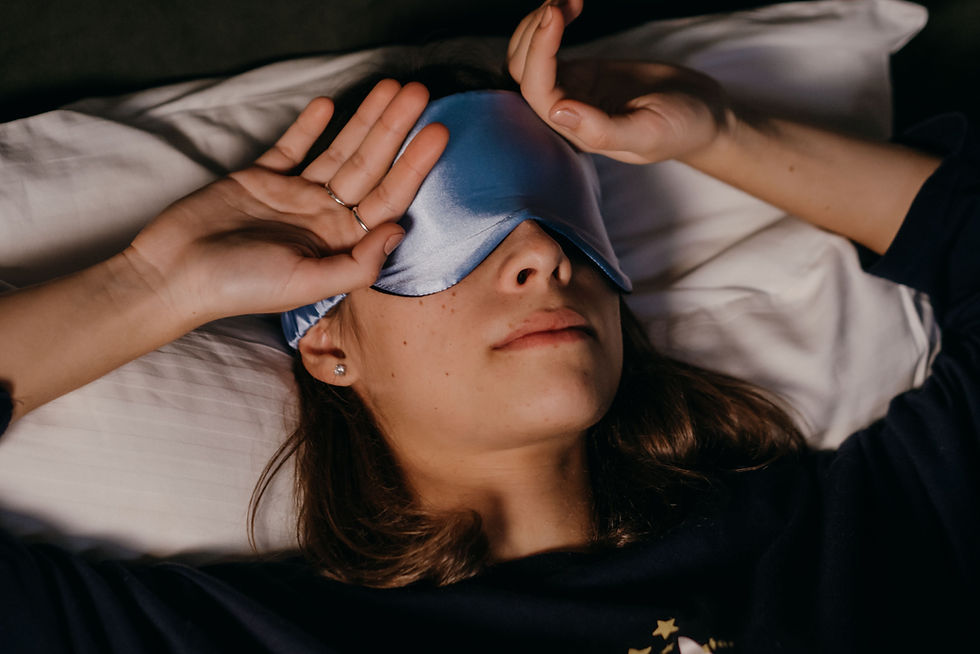
If you are training hard, but not paying attention to your sleep, you are making progress harder than it needs to be. You recover from training when you are resting. Resting is essential. So if your recovery is poor, you’re shortchanging yourself on your progress in all areas.
If people are struggling, they tend to look for new ways to spend their time - new supplements, more cardio, more training, a new watch, more sauna time. You’re papering over the cracks without focusing on the major issues.
I know, because I’ve done it. I’ve always slept fewer hours than I should have: always worked tired, always kept going, and always compartmentalised my stress. Think of building a house on shaky foundations. This is literally what’s happening if you aren’t paying attention to your sleep issues.
Sleep affects everything:
Energy levels
Alertness
Training performance
Recovery from training
Mood and stress levels
Consistency and discipline
You don’t need to sleep perfectly, but a more manageable way of improving it is to pick 1 thing from each section and actively focus on them - then track to see if they help or not. There’s no point in just ‘trying all the things’ and being unsure what has helped or not.
Some of the biggest improvements I've made to my own performance and life in general came when I started taking sleep seriously. Which of these habits matters most will depend on you, the individual.
Pre Bed:
Phones and lights off at least 30-60 minutes before trying to sleep.
Supplementation such as magnesium glycinate, theanine and creatine.
Warm shower to get your body in sleep mode.
Journalling to clear your mind before sleep.
In Bed:
Cool, dark room. Not heaters blasting, electric blankets turned off.
Pets inside or outside the room, whatever you’re used to.
Water by your bed in case you are thirsty and so you don’t need to get up.
Use a graded morning alarm clock to help you wake at the 'right' time.
Morning Routine:
Sunlight immediately upon waking up!
Protein smoothie or shake as your first intake - protein, and water, helps hydrate and feed you.
Cold shower in the morning which gives you a dopamine hit and makes you feel alert.

Pick one thing from each category and try it for at least a week, and see if you can feel or experience a difference. Build your OWN tier list for sleep hygiene, rather than trying to take on everything the experts say all in one go.
Sleep is no different to training. Most people don't need to do everything perfectly.
They just need to identify the biggest thing holding them back and work on that first.
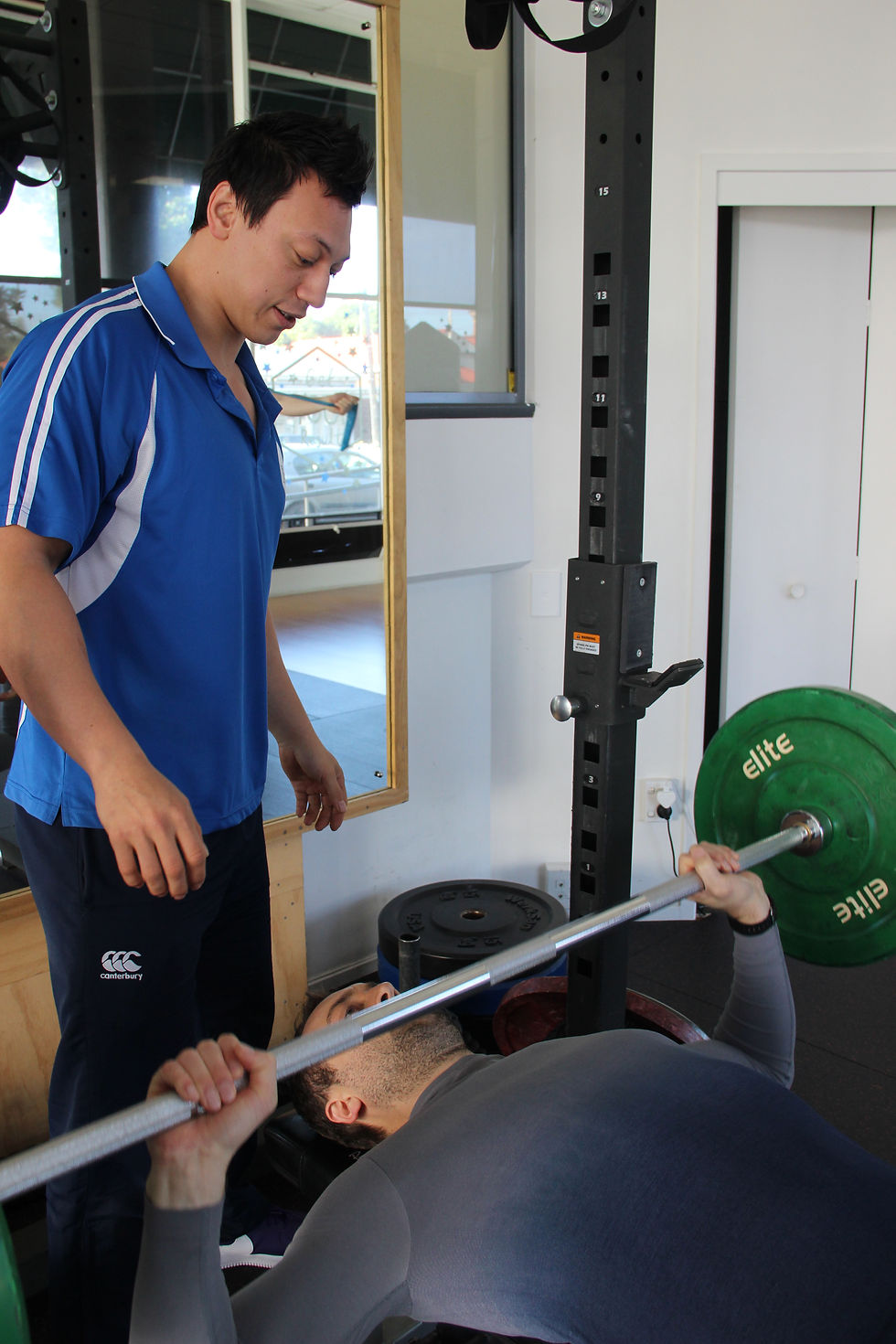
Like at The Active Lifestyle - we don’t try simply work on improving your strength levels if we haven’t addressed bigger picture pain and mobility issues.
Find the biggest block in your sleep routine, improve it, and then move on to the next one.
That's usually how long-term progress is made.


Comments